-2700x842-1920w.png)




TMJ and Ear Pain: Causes, Symptoms, and Treatment
Updated on 12/19/25
TMJ-related ear pain occurs because the temporomandibular joints sit just in front of the ears and share many of the same nerves and muscles. When these joints become strained, inflamed, or misaligned—from teeth grinding, stress, injury, or arthritis—the resulting pressure and nerve irritation can cause pain, fullness, tinnitus, or even dizziness that feels like it’s coming from the ear. Since these symptoms often mimic ear infections, accurate diagnosis is key. A TMJ specialist can pinpoint the true source of discomfort and create a personalized treatment plan—combining bite therapy, muscle relaxation, and joint stabilization—to relieve pain and restore healthy, balanced jaw function.
At Restore TMJ & Sleep Therapy, patients suffering from ear pain benefit from a team whose entire focus is the diagnosis and treatment of temporomandibular disorders and related pain conditions.Dr. Katherine S. Phillips and
Dr. YC Joseph FischerHahm are highly trained in orofacial pain, dental sleep medicine, and the complex biomechanics of the jaw, giving them a deep understanding of how
TMJ dysfunction can affect everything from ear comfort to overall facial health. The expertise of Dr. Phillips and Dr. FischerHahm allows them to identify even subtle TMJ issues, provide accurate diagnoses, and design comprehensive, noninvasive treatment plans that restore balance, function, and long-term relief, and with advanced imaging technology, evidence-based techniques, and years of specialized experience, our team can deliver precise, compassionate care that patients can trust.
The Connection Between the TMJ and Your Ears
The temporomandibular joints (TMJs) are two hinge-sliding joints, one on each side of your face, connecting the lower jaw (mandible) to the temporal bone of the skull just in front of each ear. These joints enable the jaw to move up and down, side to side, and forward and back, allowing you to chew, speak, yawn, and move your mouth.
Because the TMJs sit so near the ear canal, and because the muscles, ligaments, nerves, and tissue in this region interconnect, dysfunction in the TMJ (TMD) can easily manifest as ear-related symptoms. The overlapping nerve pathways, shared musculature, and anatomical proximity mean that when something goes wrong with the TMJ, your ear can feel it, even when nothing is wrong with the ear itself.
How TMJ Disorders Cause Ear Pain
When your TMJ isn’t working the way it should, inflammation and muscle tension can develop around the joint, leading to a TMJ disorder, or TMD. Since the TMJ sits just millimeters away from the ear, this irritation can spread or “refer” pain to the nearby ear structures.
Here are the main ways TMJ problems can cause ear pain:
- Inflammation and swelling. When the joint becomes inflamed—often from overuse, injury, arthritis, or grinding—pressure builds up in nearby tissues. Because the ear and jaw share the same space, that inflammation can cause ear pain or pressure.
- Shared nerve pathways. The same nerves that sense movement and pain in your jaw also branch into the ear region. When these nerves are irritated near the TMJ, your brain can interpret the signal as ear pain.
- Muscle strain. The chewing muscles (like the masseter and temporalis) attach near the ears. Constant clenching or grinding can tighten and fatigue these muscles, causing soreness that radiates toward the ear.
- Pressure changes. The TMJ also interacts with muscles that help control the Eustachian tubes, the small passages that balance air pressure inside your middle ear. When those muscles are tight or inflamed, it can lead to a sense of fullness, pressure, or mild hearing changes.
TMJ disorders can also cause more than just pain. Because of the joint’s position and how closely it interacts with ear structures, many patients may also experience:
- Ear fullness or pressure, a “plugged” or “underwater” sensation that doesn’t improve with yawning or swallowing.
- Tinnitus (ringing in the ears), a constant or occasional ringing, buzzing, or whooshing sounds.
- Dizziness or imbalance. TMJ inflammation can sometimes disrupt how the ear processes balance, leading to lightheadedness or vertigo.
- Hearing changes. In rare cases, inflammation can affect how sound travels through the middle ear, leading to muffled or reduced hearing.
These symptoms can come and go or vary in intensity. They may flare up during stressful periods, after long dental appointments, or during times when jaw clenching or grinding is worse.
What TMJ-Related Ear Pain Feels Like
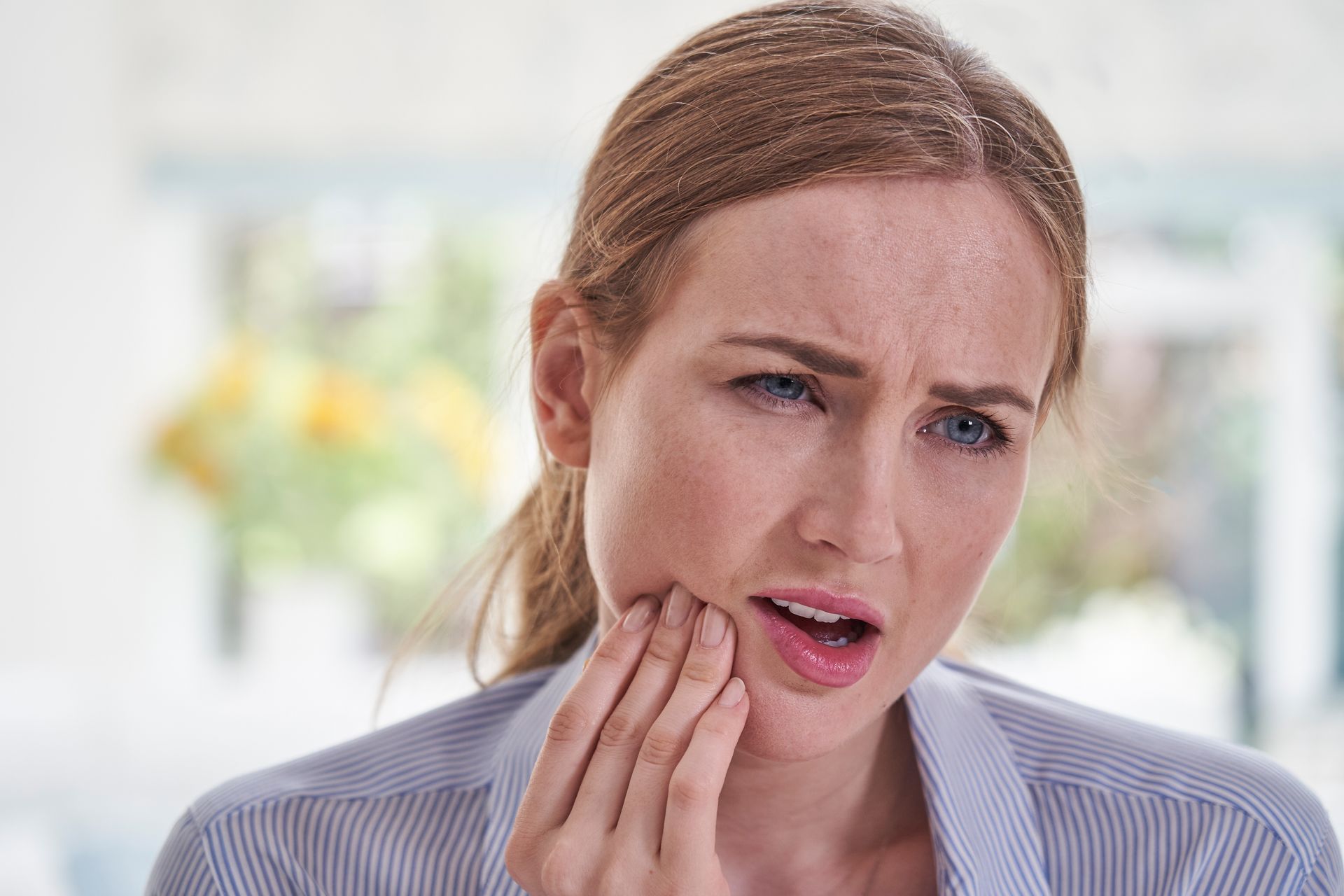
TMJ-related ear pain can feel surprisingly different from a typical earache. Because the jaw joint sits just in front of the ear and shares many of the same nerves and muscles, pain from TMJ disorders often radiates into the ear area, or even feels like it’s coming from inside the ear itself. The discomfort can range from dull pressure to sharp, shooting pain and may change with jaw movement. Understanding these patterns can help you recognize when your ear pain is really coming from your jaw.
Ear pain from TMJ disorders can vary widely, but common sensations and patterns are described as:
- A dull ache or pressure just in front of or below the ear, rather than deep inside.
- Pain that gets worse when chewing, yawning, talking, or clenching your jaw.
- A sharp or stabbing sensation that comes and goes.
- Tenderness when pressing near the jaw joint.
- Pain that spreads to the temple, behind the eyes, down the neck, or into the shoulders.
You might also notice clicking, popping, or stiffness when moving your jaw, or find that your bite feels slightly “off.”
Headaches and facial pain are also common companions to TMJ-related ear discomfort.
Why TMJ Ear Pain Can Be Difficult to Diagnose
TMJ-related ear pain is often mistaken for an ear infection or sinus issue. The ear and jaw share so many nerve connections that pain from the TMJ can feel almost identical to ear pain.
To make things more confusing, ear exams for patients with TMJ disorders usually look perfectly normal—there’s no infection, fluid, or damage to the eardrum. That’s why people often bounce between ENT and dental visits before the true cause is identified.
If your “ear pain” tends to worsen when you move your jaw or chew, or if you’ve had recurring ear discomfort without infection, your TMJ could be the real source
Why It’s Important to Work with a TMJ Specialist to Treat Your TMJ-Related Ear Pain
TMJ disorders are complex. They can involve muscles, ligaments, joint alignment, bite position, posture, and even stress, and because every patient’s situation is different, treatment has to be personalized.
Working with a TMJ specialist—like Dr. Katherine S. Phillips at Restore TMJ & Sleep Therapy—ensures that your care starts with the right diagnosis. TMJ specialists look at how your jaw moves, how your bite fits together, and how tension patterns in your head and neck might be contributing to your symptoms.
When you see a TMJ specialist like Dr. Phillips for your TMJ-related ear pain, you’re more likely to experience:
- A more accurate diagnosis, avoiding unnecessary antibiotics or ear treatments that won’t help.
- Faster relief, because addressing the root cause—jaw misalignment, muscle tension, or inflammation—provides real improvement.
- Comprehensive care., since TMJ specialists understand how dental health, bite alignment, posture, and sleep all contribute to jaw function.
- Long-term prevention, because once your jaw is stabilized and pain-free, your provider can help you maintain those results through ongoing care and lifestyle adjustments.
Developing a Treatment Plan for Your TMJ-Related Ear Pain
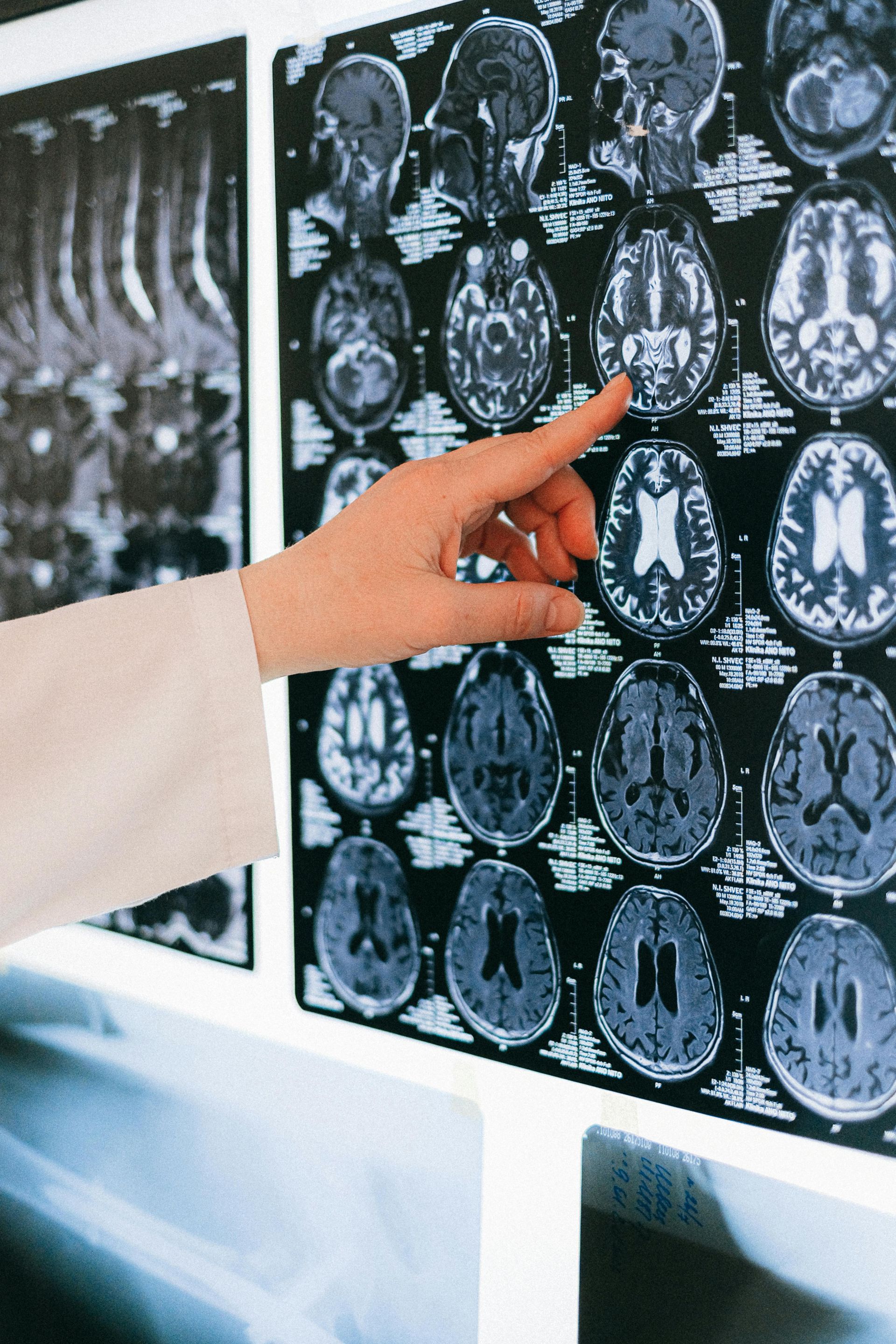
Dr. Phillips uses advanced diagnostic tools such as 3D Cone Beam CT imaging and a detailed physical exam to pinpoint the exact source of your discomfort. This allows her to design a treatment plan that targets the root cause, not just the symptoms.
Most patients with TMJ-related ear pain find relief through conservative, non-surgical care, but your personalized treatment plan may include:
1. At-home adjustments, such as:
- Eating softer foods and avoiding excessive chewing (like gum or tough meats).
- Using warm compresses to ease muscle tension and improve circulation.
- Performing gentle jaw stretches and relaxation exercises to reduce strain.
- Practicing good jaw posture (keeping your lips closed but teeth slightly apart).
2. Professional therapies, such as:
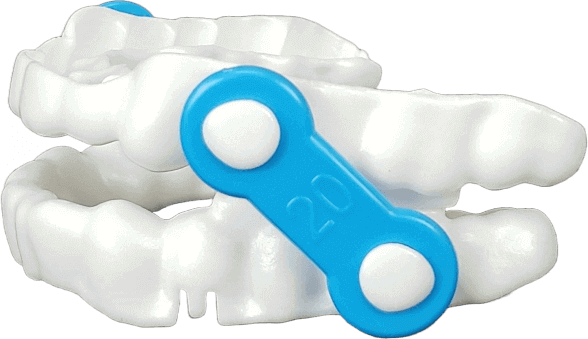
- Custom bite orthotics (splint therapy), specially fitted oral appliances that help realign the jaw and reduce nighttime clenching or grinding.
- Physical therapy, targeted exercises and massage techniques to relax tight muscles, improve mobility, and correct posture.
- Medications. Anti-inflammatory or muscle-relaxing prescriptions may be used temporarily to calm flare-ups.
- Stress management. Because stress and anxiety often trigger jaw tension, relaxation training or counseling may also be helpful.
3. Advanced care, if needed.
For more severe or chronic cases, Dr. Phillips may recommend additional therapies, such as:
- In-office trigger-point or joint injections to reduce inflammation.
- Ultrasound or laser therapy to relieve muscle tension.
- Collaboration with your ENT or other specialists if tinnitus, dizziness, or ear pressure are significant.
Surgery is rarely needed and is only considered after conservative treatments have failed and imaging confirms a structural joint problem.
When to See a TMJ Specialist for Your Ear Pain
You should consider scheduling a TMJ evaluation if you experience:
- Persistent ear pain or pressure with no infection
- Jaw clicking, popping, or stiffness
- Frequent headaches or facial pain
- Tinnitus (ringing or buzzing in the ears)
- Dizziness, neck pain, or jaw fatigue
- Ear fullness that doesn’t respond to traditional ear treatments
TMJ-related ear pain can impact everything from your comfort to your concentration and sleep quality, but the good news is that the right care can make a life-changing difference.
Find Relief from Your TMJ-Related Ear Pain at Restore TMJ & Sleep Therapy in The Woodlands
If you’re struggling with persistent ear pain, pressure, or ringing that other treatments haven’t resolved, the specialists at Restore TMJ & Sleep Therapy can help. Led by Dr. Katherine S. Phillips and Dr. YC Joseph FischerHahm, our team brings advanced training and extensive experience in orofacial pain, TMJ disorders, and dental sleep medicine, a rare combination of expertise that allows us to identify the true source of your symptoms and deliver precise, lasting relief. Using state-of-the-art diagnostics, personalized treatment plans, and a compassionate, patient-centered approach, we’ve helped thousands of patients overcome TMJ-related pain and reclaim their quality of life.
If you’re experiencing ear pain, don’t wait to start feeling better.
Schedule your consultation today and take the first step toward lasting relief from TMJ-related ear pain.
Contact Us Today For A Consultation!
Contact Us